 En
En 

Why Choose Our Industrial Timing Belts and Stainless Steel Pulleys for Precision Drives
In the field of precision mechanical transmission, the performance of industrial timing belts directly determines the operational accuracy and stability of entire automated production lines. To ensure the reliability of equipment under high-load, high-speed, and complex operating conditions, it is crucial to have a deep understanding of the logic behind transmission system selection. As a professional timing belt manufacturer, we are committed to providing ultimate power transmission solutions for various industrial applications through high-performance materials and precision manufacturing processes.
Core Transmission Components: Material Selection for Industrial Timing Belts
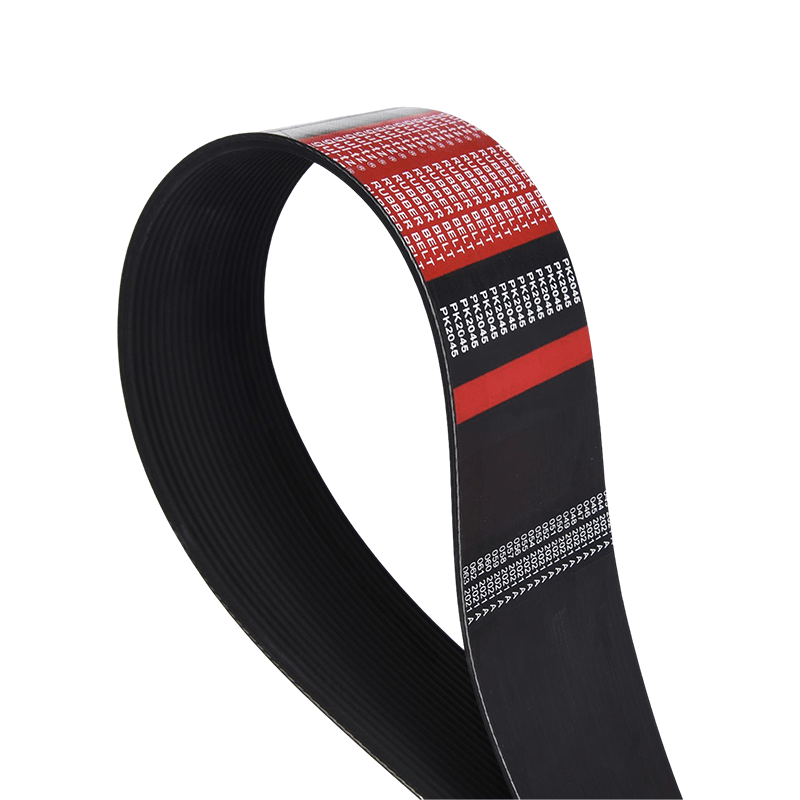
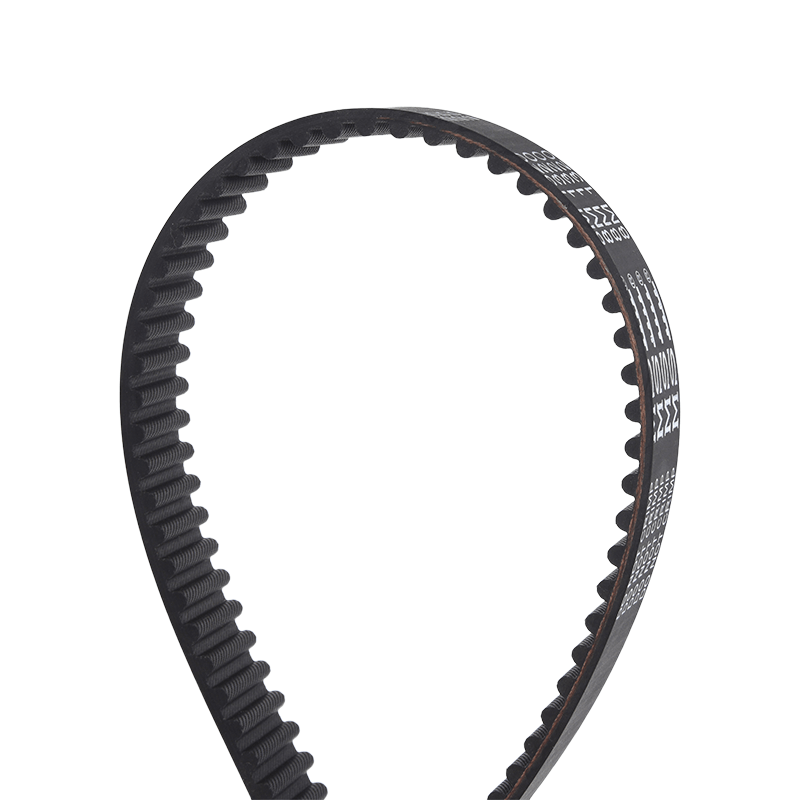
When selecting toothed rubber drive belts, the rubber base formulation determines their performance in terms of high-temperature resistance, wear resistance, and chemical corrosion resistance. High-performance toothed rubber belt products typically use fiberglass or high-strength polyester as the tension layer to ensure that no elongation occurs during prolonged operation.
For special environments, steel reinforced timing belt solutions demonstrate unparalleled advantages. The high-strength steel wire layer embedded inside provides the belt with an extremely high tensile modulus, allowing it to withstand heavy load impacts while maintaining high positional synchronization accuracy. In automated equipment that requires extreme precision and long service life, these products are key to improving overall transmission efficiency.
Precision Matching: Synergy Between Stainless Steel Timing Pulleys and Belts
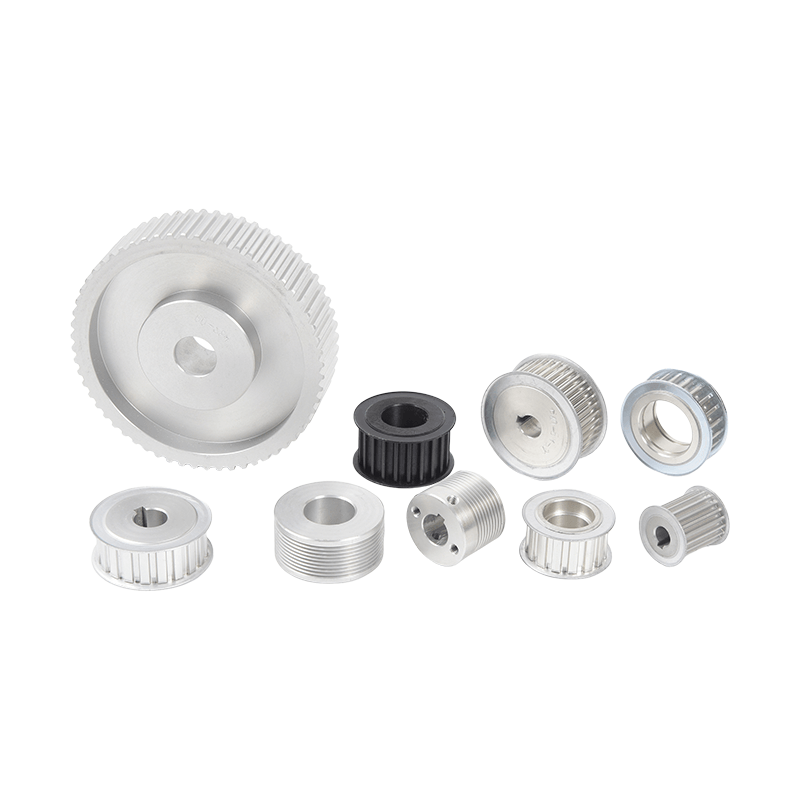
Having a high-quality belt is not enough; the machining precision of stainless steel timing pulleys directly affects the meshing quality of the transmission system. The tooth profile design of the belt and pulley must maintain extremely high geometric consistency. Utilizing stainless steel for pulley manufacturing not only effectively prevents rust caused by humid or corrosive environments but also ensures surface hardness during long-term operation.
When using stainless steel timing belt products in combination with corresponding pulley systems, the system can effectively reduce transmission backlash and eliminate crawling phenomena during operation. For fields requiring extreme corrosion resistance, such as medical devices and food packaging machinery, this stainless steel combination is the core configuration for ensuring cleanliness and operational lifespan.
Key Technical Parameter Comparison
When performing engineering selection, users typically need to pay attention to the physical and mechanical properties of the belts. The following table provides technical comparison data for different materials and structural types:
| Characteristic Indicator | Toothed rubber belt (Standard) | Steel reinforced timing belt (High-Strength) | Stainless steel timing belt (Corrosion-Resistant) |
| Tensile Strength | Medium | Extremely High | High |
| Elongation Rate | Lower | Extremely Low | Low |
| Wear Resistance | High | High | Extremely High |
| Operating Temperature Range | -20°C to +80°C | -30°C to +100°C | -40°C to +150°C |
| Corrosion Resistance Grade | General | Medium | Excellent |
| Main Application Scenarios | Light-load Automation | Heavy-load Lifting, Linear Modules | Food, Medical, Chemical |
Installation and Maintenance Suggestions for Improving Transmission Efficiency
To ensure toothed rubber drive belts perform at their best, proper tension control is the first step. Insufficient tension leads to gear meshing jumping, generating abnormal noise and accelerating wear; conversely, excessive tension increases the radial load on bearings and shortens the system life.
When using stainless steel timing pulleys, it should be ensured that the center distance between the pulley and the belt remains stable after installation. Regularly checking the wear on the back of the belt and the accumulation of debris within the tooth grooves is an effective means of preventing sudden downtime. By strictly following technical specifications for installation and debugging, the transmission advantages of industrial timing belts can be maximized, ensuring the mechanical system remains in an optimal operating state for the long term.
As a professional timing belt manufacturer, we consistently adhere to a rigorous quality control system to ensure that every belt delivered reaches the industry-leading level in both physical parameters and operational synchronization, providing continuous power support for industrial manufacturing.
Vrući proizvodi
-
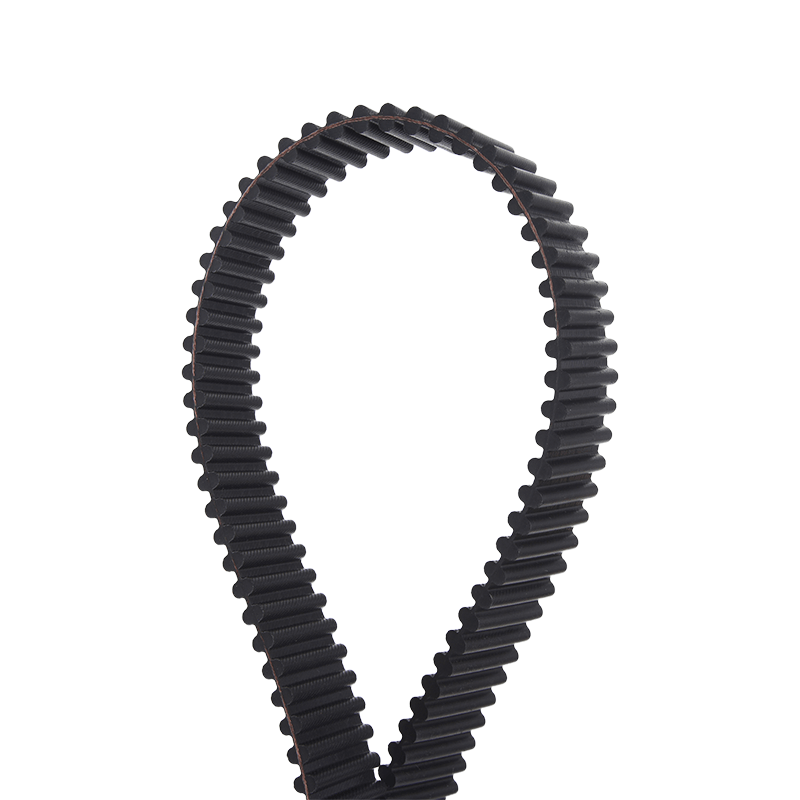 Prikaži više
-
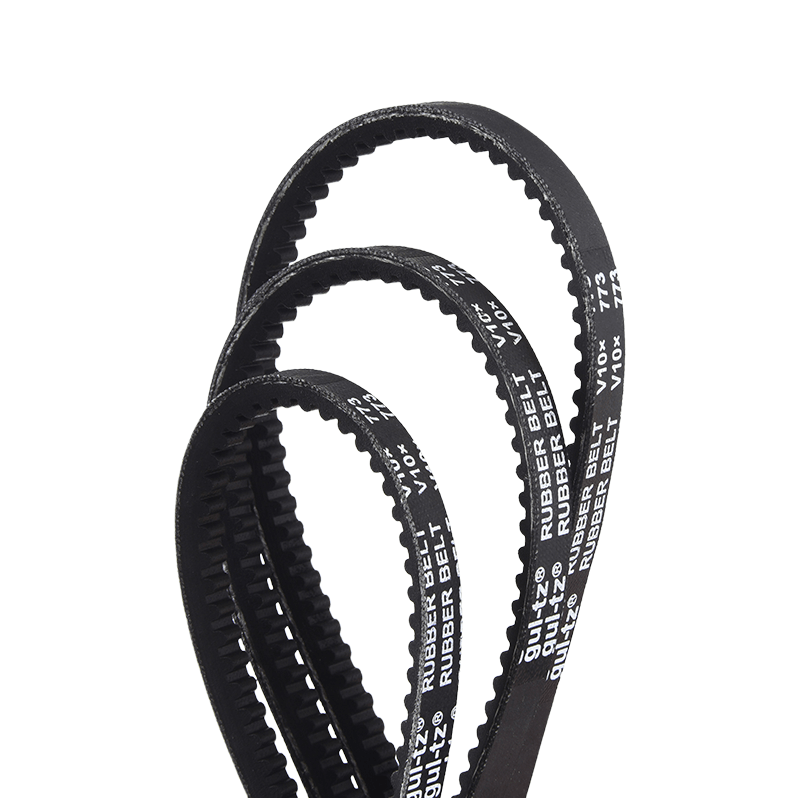 Prikaži više
Klinasti remen Za industriju
-
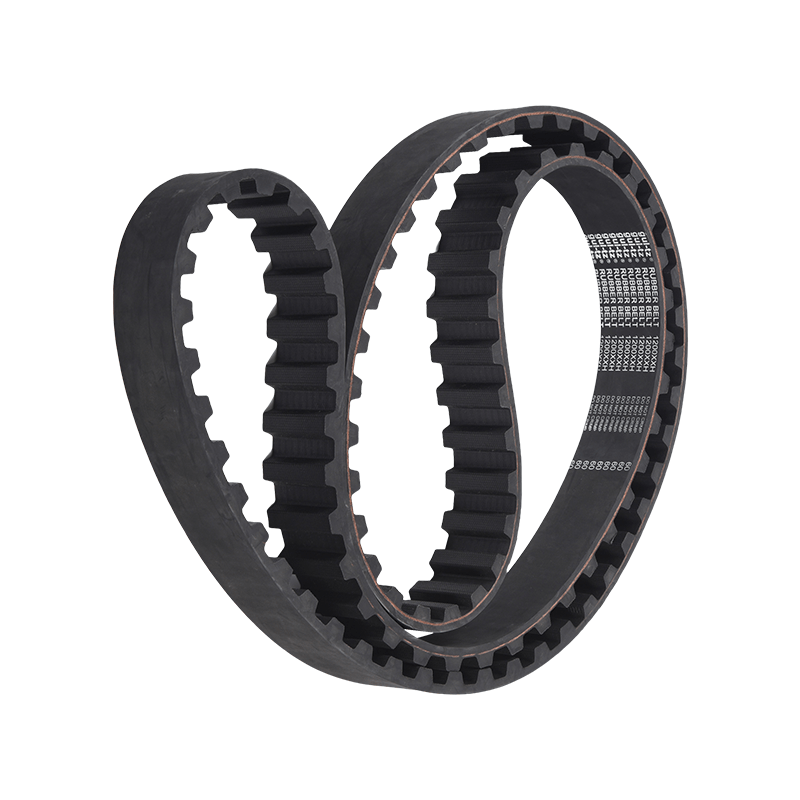 Prikaži više
Industrijski gumeni sinkroni remen tipa T
-
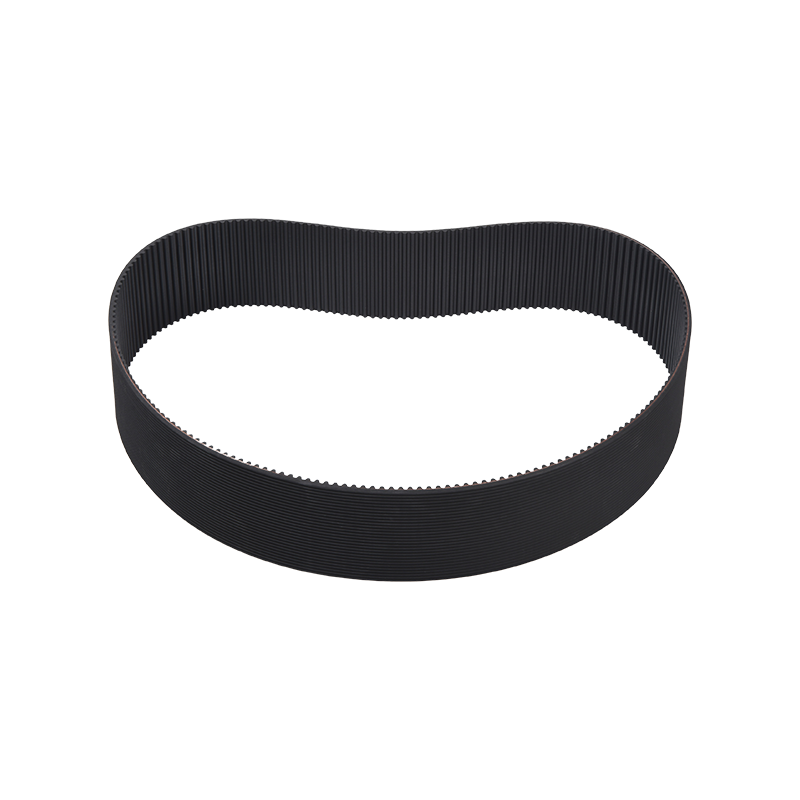 Prikaži više
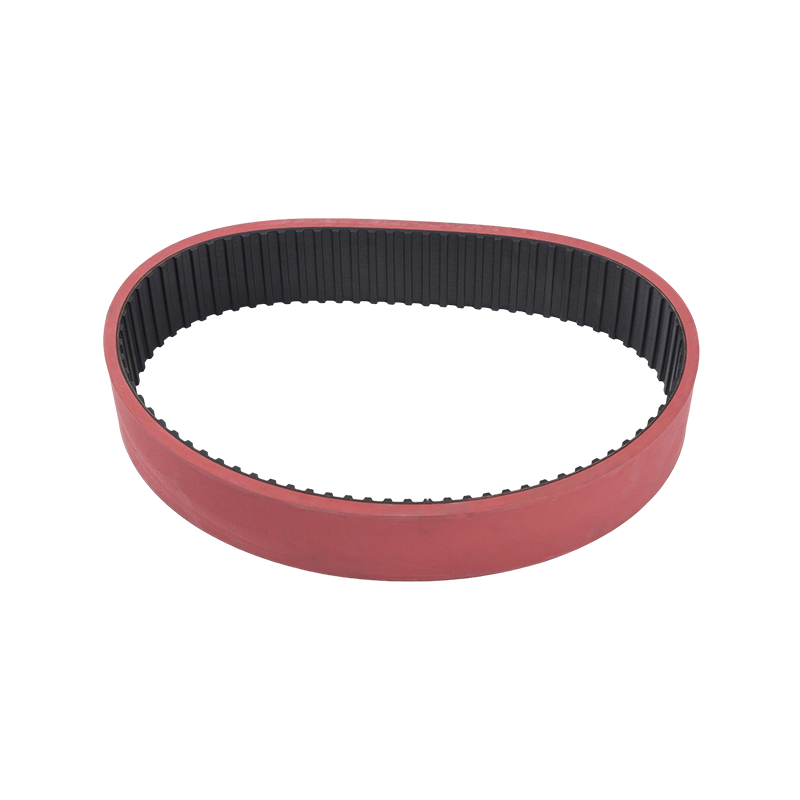
Nazubljeni klinasti remen
-
 Prikaži više
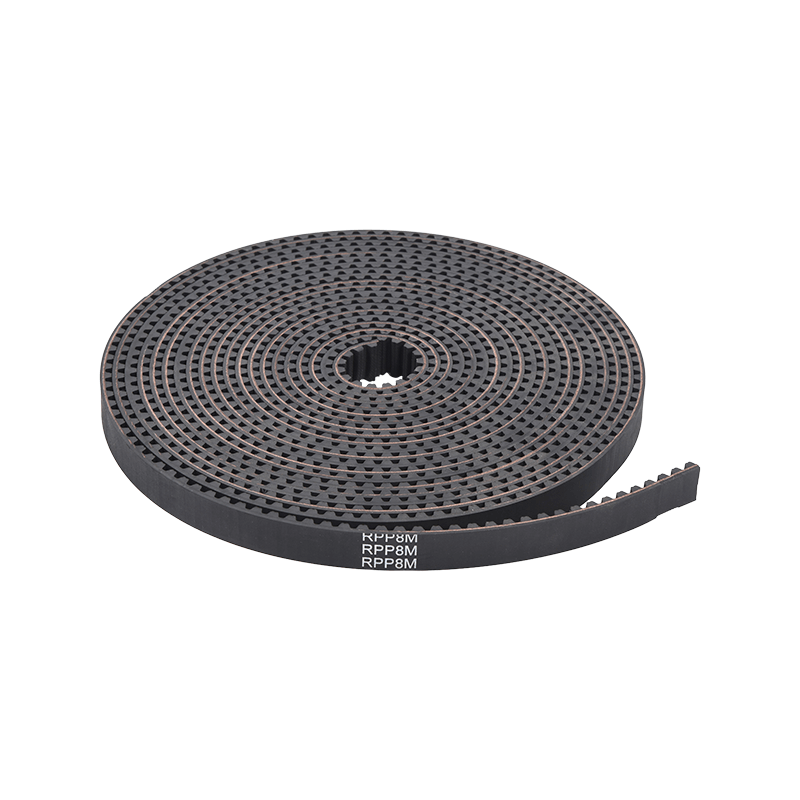
Podebljani zupčasti remen
-
 Prikaži više
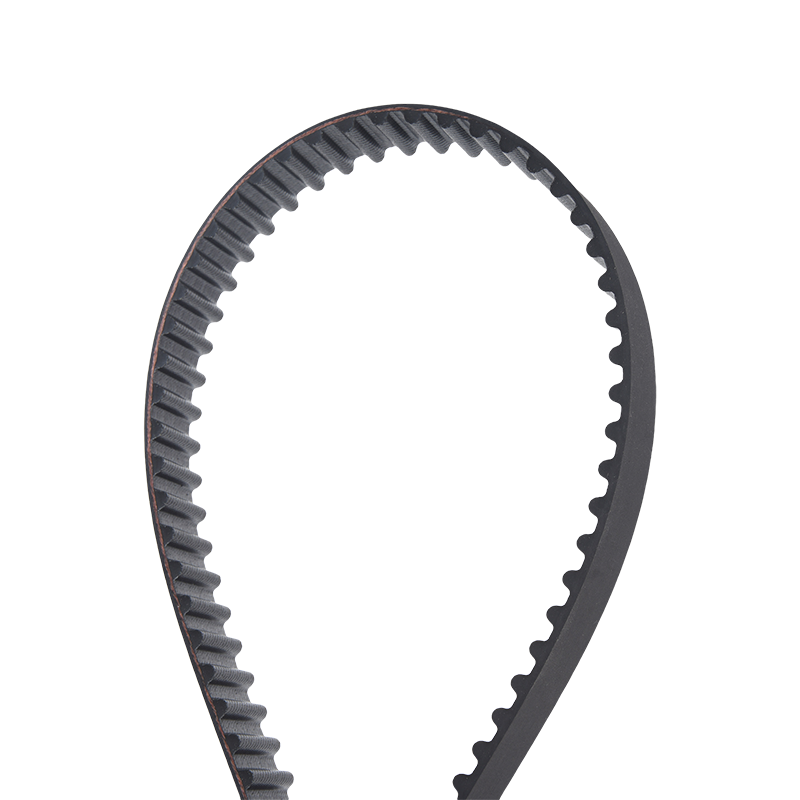
Otvoreni zupčasti remen
-
 Prikaži više
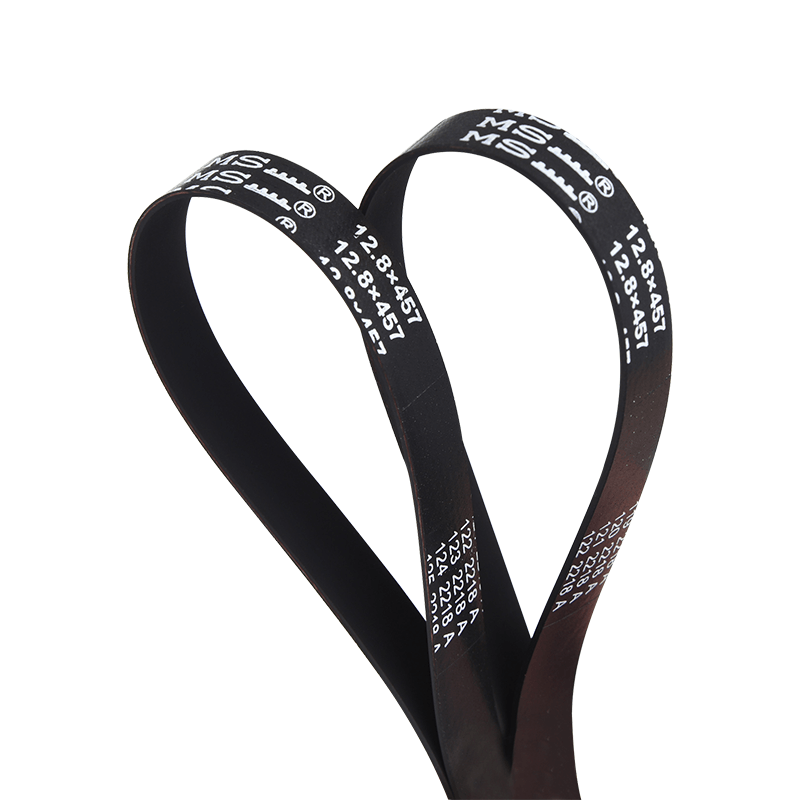
Automobilski klinasti remen
-
 Prikaži više
Gumeni ravni pojas
-
 Prikaži više
Rebrasti pojas
-
 Prikaži više
Sinkrona remenica
-
 Prikaži više
Industrijski gumeni sinkroni remen s lučnim zubima
-
Prikaži više
Automobilski zupčasti remen

Imate pitanje? Slobodno se obratite!
 Tel: +86-0574-62498188 62497298
 Fax: +86-0574-62497297
 E-mail:
  Add: No. 65, Middle Jinniu Road, Moushan Town, Yuyao City, Zhejiang Province, Kina
Copyright © Ningbo GUL TZ Rubber Belt Co., Ltd. All rights reserved.

